

How to Fix Droopy Eyelids without Surgery

One of the most common questions I hear is, “How can I fix droopy eyelids without surgery?” It’s a concern I see across all ages, from patients in their 30s noticing the first signs of heaviness, to those in their 50s and beyond who want a refreshed look without committing to an operation.
While eyelid surgery, or blepharoplasty, is the most effective long-term solution for significant sagging, it’s not always necessary, especially in mild to moderate cases. Advances in non-surgical treatments now allow us to lift, smooth, and brighten the eye area with little to no downtime.
If you’re exploring ways to improve droopy eyelids without surgery, schedule a consultation at the Yates Institute of Plastic Surgery in Fort Lauderdale. We’ll guide you through your options and help you achieve the look you’re hoping for.
Why Eyelids Start to Droop
Over time, your skin naturally loses collagen and elastin, two proteins that give it firmness and bounce. The muscles that support your upper eyelids can weaken, and fat pads around the eyes may shift or diminish. Together, these changes can create that hooded, heavy look so many patients describe.
Lifestyle choices and environmental exposure can accelerate this process. Years of unprotected sun exposure, smoking, dehydration, and poor sleep can cause the delicate eyelid skin to thin and sag earlier than it might otherwise. Even habits like rubbing your eyes or removing makeup aggressively can contribute to stretching the skin.
For some of my patients, the cause is largely genetic. If you’ve noticed that parents or siblings have droopy eyelids, chances are you may develop them earlier as well. In these cases, starting non-surgical treatments sooner often delivers the most visible and lasting benefits.
Botox for Droopy Eyelids
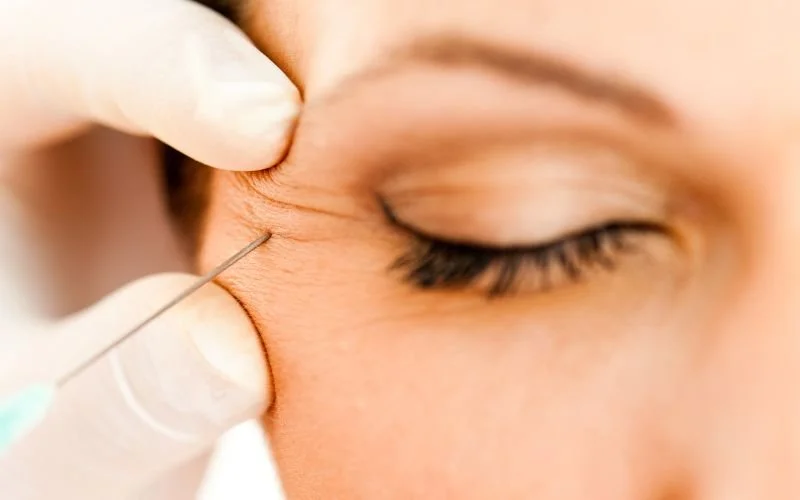
When patients first come to me asking how to fix droopy eyelids without surgery, Botox is often one of the first treatments I discuss. While many people associate Botox solely with smoothing forehead lines or crow’s feet, it can also be used strategically to create a subtle lift in the upper eye area.
Here’s how it works: certain muscles around your eyes naturally pull the brows downward. By placing small amounts of Botox in these muscles, most commonly the ones just under the brow, I can relax their downward pull. This allows the brow to lift slightly, opening up the eye area and making you look more refreshed. It’s not a dramatic change like surgery, but it can make a noticeable difference, especially if your droopiness is mild.
One of the things I emphasize during consultations is that this technique requires precision. Too much Botox, or injections in the wrong area, can actually worsen eyelid heaviness. That’s why it’s important to work with someone who understands eyelid anatomy and has extensive experience with facial injectables.
The results from Botox for droopy eyelids typically last three to four months. Many of my patients choose to maintain their results with regular treatments, and because Botox is quick with no downtime, it easily fits into most schedules. If you’re hesitant about surgery or simply want to try something less invasive first, Botox can be an excellent starting point.
Eye Cream for Droopy Eyelids
Another question I’m asked frequently is whether an eye cream for droopy eyelids can replace in-office treatments. While no topical product can deliver the same level of lift as injectables or energy-based devices, the right medical-grade eye cream can support firmer, smoother skin over time.
The key is choosing formulas with clinically proven ingredients. Retinoids, for example, help stimulate collagen production and improve skin cell turnover, making the skin look more resilient. Peptides can encourage skin repair and support elasticity. Antioxidants such as vitamin C help protect the skin from environmental damage that accelerates sagging.
I always recommend using these products consistently, both morning and night, and applying them gently to avoid tugging on the delicate eyelid skin. It’s important to set realistic expectations: eye creams will not physically lift skin that has already lost significant elasticity. Instead, think of them as part of your long-term maintenance plan. By supporting the health of the skin around your eyes, you can slow down further drooping and enhance the results of other treatments like Botox, lasers, or skin tightening procedures.
Exercises for Droopy Eyelids
Every so often, I have patients ask if they can improve eyelid sagging through exercises, similar to the way we strengthen other muscles in the body. The idea is appealing: no needles, no downtime, just simple movements you can do at home. Unfortunately, the reality is that exercises for droopy eyelids have very limited benefits, especially if the cause is skin laxity rather than muscle weakness.
Some online routines recommend lifting your brows repeatedly, gently pressing and holding the eyelids in certain positions, or squinting against resistance. While these exercises can engage the muscles around the eyes, they won’t restore lost collagen or significantly tighten stretched skin. In fact, overdoing them could potentially create more fine lines from repeated creasing.
That said, if your droopiness is caused by mild muscle laxity, gentle facial exercises may help maintain tone in the surrounding area. I sometimes suggest them as a supplemental step, along with proven treatments, rather than a stand-alone fix. For example, after Botox or skin tightening procedures, mild exercises can help maintain good muscle engagement without straining the skin.
When patients are hoping for a noticeable and lasting lift, I guide them toward options that work on the actual cause of the droopiness, whether that’s relaxing the muscles pulling the brows down, stimulating new collagen for skin firmness, or restoring lost volume in the brow and upper eyelid area. Exercises alone simply can’t address all of those factors, which is why they’re best seen as an optional, minor addition to a broader plan.
How to Fix Droopy Eyelids Naturally
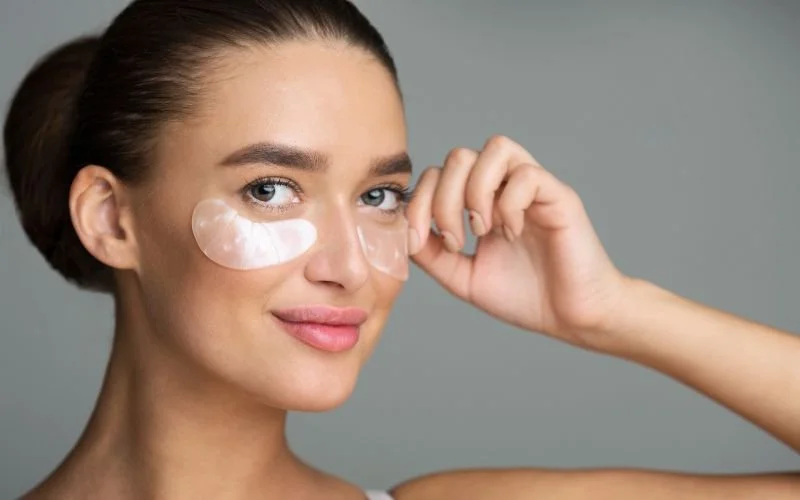
When it comes to learning how to fix droopy eyelids naturally, I always remind my patients that prevention and daily care play a huge role. While these steps may not reverse significant sagging, they can slow its progression and help maintain the results of professional treatments.
The most important habit you can develop is protecting your eyes from the sun. UV rays break down collagen and elastin in the skin, accelerating drooping. Wearing sunglasses with full UV protection and applying a broad-spectrum sunscreen (yes, even on your eyelids) can make a noticeable difference over the years.
Your diet also matters more than you might think. Skin thrives on antioxidants, which help combat free radical damage. I encourage including plenty of colorful fruits and vegetables, omega-3 fatty acids from fish or flaxseed, and staying well-hydrated throughout the day.
Sleep is another essential factor. When you’re consistently tired, the skin around your eyes can look puffy and dull, which makes droopiness appear worse. Prioritizing seven to nine hours of quality rest can help your eyes look more open and refreshed.
And finally, be mindful of how you treat your eyelids. Rubbing your eyes, pulling at the skin during makeup removal, or using harsh products can stretch and weaken delicate tissue. Always use gentle motions and products specifically formulated for the eye area.
Other Non-Surgical Options
For patients who want more dramatic improvement than skincare alone can provide but aren’t ready for surgery, there are several advanced non-surgical treatments available.
Energy-based treatments like Ultherapy and radiofrequency (RF) skin tightening can stimulate collagen production deep within the skin. By encouraging your body to rebuild its natural support structures, these treatments gradually firm and lift the eyelid area over several months. They’re best suited for mild to moderate sagging and can be repeated to maintain results.
Laser resurfacing is another excellent option. Fractional CO₂ and erbium lasers target both skin texture and laxity, smoothing fine lines while gently tightening the skin. Patients often notice brighter, firmer eyelids after just one session, though multiple treatments can enhance the effect.
In many cases, it is recommended to combine these technologies with injectables for a more complete rejuvenation. For example, Botox can provide an immediate lift while RF or laser treatments work on long-term collagen rebuilding. This layered approach can deliver results that are both natural-looking and longer-lasting.
When Non-Surgical Isn’t Enough
While non-surgical treatments can do a lot, they do have limits. If your eyelids have significant skin overhang, or if the droopiness is interfering with your vision, surgery may be the most effective and lasting solution. In these cases, I often recommend upper eyelid blepharoplasty, a procedure that removes excess skin and redefines the natural eyelid crease.
I always tell my patients that my role is to guide them toward the option that will give them the results they want, not to push surgery before it’s needed. That’s why a thorough, in-person assessment is so important. Together, we can review the extent of your eyelid drooping, discuss your preferences for downtime and recovery, and create a treatment plan that fits your lifestyle.
Final Thoughts
Droopy eyelids are a common concern, but you have more options than ever before to address them without surgery. From precise Botox techniques to advanced skin tightening and targeted skincare, there are multiple ways to restore a more open, refreshed look while maintaining your natural expression. My goal is always to create results that make you look like yourself, just a little brighter and more awake. If you’ve been wondering how to fix droopy eyelids without surgery, I invite you to schedule a consultation so we can explore the best path forward for you.
Read more blogs:
References: