

Lower Blepharoplasty
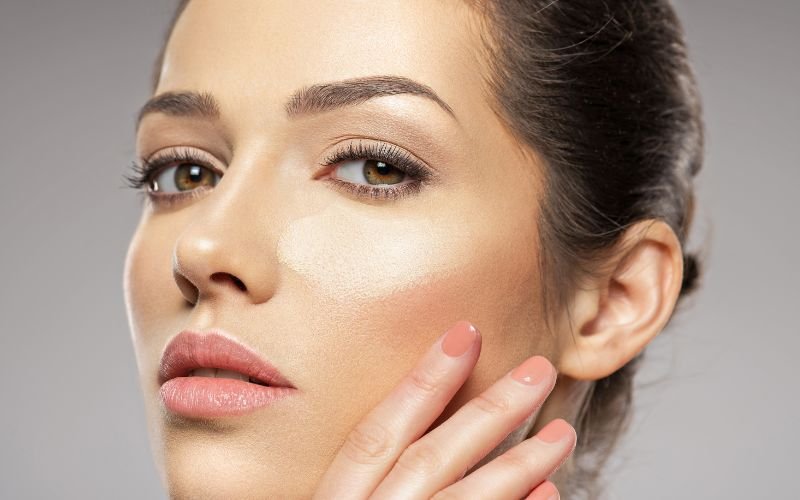
The Go-To Fix for Puffy Undereyes in Young Adults
For many young adults, especially professional women, puffy undereyes can become a frustrating problem. Even with a great skincare routine and concealer, those undereye bags can make you look tired or older than you feel. Lower blepharoplasty, a surgical procedure designed to correct puffiness beneath the eyes, has become a trusted option for women who want a refreshed and natural appearance. At the Yates Institute of Plastic Surgery in Fort Lauderdale, I meet many young professional women who are surprised to learn that this procedure isn’t just for older patients. It can be the go-to solution for restoring a bright, energized look at an age when you want your appearance to match your drive and ambition.
Why Young Adults Experience Puffy Undereyes
One of the most common misconceptions I hear is that undereye puffiness only comes with age. In reality, many young adults experience this concern, and it is often influenced more by genetics than by years. If you notice that other members of your family developed undereye bags early, there is a strong chance you may face the same issue, no matter how well you care for your skin.
Lifestyle can make the problem more noticeable. Long work hours, constant stress, and disrupted sleep cycles all play a role. Even if you’re getting enough rest, fluid retention and fat pockets beneath the eyes can still give the appearance of chronic fatigue. In some cases, the natural placement of fat pads under the eyes makes the puffiness unavoidable without surgical treatment. For many of my younger patients, this concern is not about aging skin, but about how their facial structure reveals itself earlier than expected.
Why Lower Blepharoplasty Is Becoming Popular Among Young Professionals
The fast-paced culture of today means many women are turning to surgical solutions earlier in life. When creams and concealers no longer help, and when fillers can only provide temporary improvement, lower blepharoplasty offers a lasting fix.
For young professionals, timing is everything. This procedure requires only a short recovery period, which makes it easier to schedule around career and family obligations. The results are subtle yet transformative: you don’t look different, but you do look refreshed, more awake, and approachable. This balance is why I see more women in their late 20s and 30s choosing lower blepharoplasty as a proactive step rather than waiting until later in life.
What Lower Blepharoplasty Involves
When I explain lower blepharoplasty to my patients, I always emphasize that it is a precise, targeted procedure designed to improve puffiness beneath the eyes without altering your natural appearance.
There are two main approaches:
Transconjunctival blepharoplasty, which is performed from the inside of the eyelid. This technique leaves no visible scar and is especially well-suited for younger patients who have good skin tone but struggle with fat pockets.
External incision blepharoplasty, where a very fine incision is made just beneath the lash line. This allows me not only to remove or reposition fat but also to tighten skin if needed.
The recovery is often much easier than patients expect. Most women return to professional and social activities within one to two weeks. Bruising and swelling are temporary, and the results continue to refine as healing progresses. For many of my patients with demanding schedules, the ability to enjoy long-lasting results with minimal downtime is a major advantage.
Natural Results
For executive women, the goal is not to look dramatically different, it is to look like the best version of yourself. With lower blepharoplasty, the results are subtle yet impactful. Instead of comments about looking “surgery done,” you hear things like, “You look rested,” or “Did you take a vacation?”
The undereye area is delicate, and that’s why technique matters so much. When performed with precision, this procedure restores balance to your features by reducing puffiness without hollowing or overcorrecting. My focus is always on natural outcomes that blend seamlessly into your overall appearance.
This is especially important in a professional setting. In boardrooms, client meetings, and leadership roles, you want your appearance to reflect your energy and capability, not the stress or fatigue that undereye bags can project. A refreshed look supports the presence and authority you already carry.
Who Is a Good Candidate?
Not every patient with puffy undereyes is immediately a candidate for lower blepharoplasty, and that is where a careful consultation becomes essential. Good candidates often include younger adults who:
Have noticeable fat pockets beneath the eyes that persist despite sleep or lifestyle changes.
Maintain good skin elasticity but feel their undereyes make them look tired or older than they are.
Want a lasting solution rather than relying on concealer, creams, or temporary fillers.
I also look for realistic expectations. Lower blepharoplasty can make you look more rested and refined, but it won’t completely change your facial structure. When the procedure is matched with the right patient, however, the transformation can be powerful in its subtlety.
Alternatives and Complementary Options
Not every woman is ready to choose surgery right away, and that is perfectly understandable. While lower blepharoplasty provides the most direct and long-lasting solution for puffy undereyes, there are other options that may help, either as a temporary step before surgery or as complementary treatments to maintain your results.
Dermal Fillers
Fillers, often made of hyaluronic acid, can be used to smooth the transition between the lower eyelid and the upper cheek. By softening this “tear trough” area, fillers reduce the shadowing that makes undereye bags appear more pronounced. The results are immediate and can last anywhere from 6 to 12 months. The limitation is that fillers cannot remove or reposition fat pockets; they simply camouflage the problem.
Skin-Tightening Treatments
For patients with mild laxity, non-surgical devices that use radiofrequency or ultrasound energy can stimulate collagen production. This tightens the skin and improves texture, making the undereye area look firmer. These treatments require a series of sessions and regular maintenance but can be helpful for women who are not ready for surgery.
Laser Resurfacing and Peels
Fine lines and crepey skin often accompany puffiness under the eyes. Laser resurfacing or chemical peels can smooth the surface of the skin and improve overall tone. These options do not address fat pockets but work beautifully when paired with surgery to create a smoother, more youthful finish.
Lifestyle Adjustments
While they may not remove puffiness completely, small changes can make a noticeable difference. Staying well hydrated, reducing salt intake, managing allergies, and prioritizing consistent sleep can all help minimize fluid retention and swelling in the undereye area.
Combination Approaches
Many of my patients achieve their best outcome through a tailored plan that combines surgery with non-surgical treatments. For example, a lower blepharoplasty may remove fat pockets, while laser resurfacing addresses fine lines, and fillers restore volume in nearby areas of the face. This layered approach ensures results that look natural, refreshed, and long-lasting.
Final Words and Next Steps
If you have been frustrated by puffy undereyes and feel like no amount of rest or concealer can hide them, you do not have to settle for looking tired when you are not. With the right approach, this procedure delivers natural results that enhance your features without changing who you are.
I invite you to schedule a consultation at the Yates Institute of Plastic Surgery in Fort Lauderdale, where we can discuss your concerns, explore your options, and determine whether lower blepharoplasty or another treatment is the right choice for you.
FAQs about Lower Blepharoplasty
Will lower blepharoplasty change the shape of my eyes?
When performed with precision, lower blepharoplasty does not alter the natural shape of your eyes. The goal is to reduce puffiness and create a smoother, refreshed contour, not to change your overall eye appearance.
How long do the results of lower blepharoplasty last?
Most patients enjoy results that can last for many years, often a decade or more. Because fat pockets are removed or repositioned, the improvement is long-term, and the undereyes rarely return to their original puffiness.
Can I wear makeup after surgery?
Yes, but timing is important. Most patients can return to using light makeup about one to two weeks after the procedure, once swelling and bruising have subsided. I guide each patient individually to ensure healing is not disrupted.
Is lower blepharoplasty painful?
Discomfort is usually minimal. Patients often describe a feeling of tightness or mild soreness rather than sharp pain. Oral medication can manage this during the first few days, and most women transition back to their usual routines quickly.
How discreet is the recovery process?
Most patients feel comfortable returning to work or social settings within 10 to 14 days. Swelling and bruising are temporary and can be softened with concealer once healing allows. For executive women concerned about discretion, scheduling the procedure around a brief work break or holiday makes recovery almost seamless.
Read more blogs:
References: