

What Is a Ponytail Facelift?
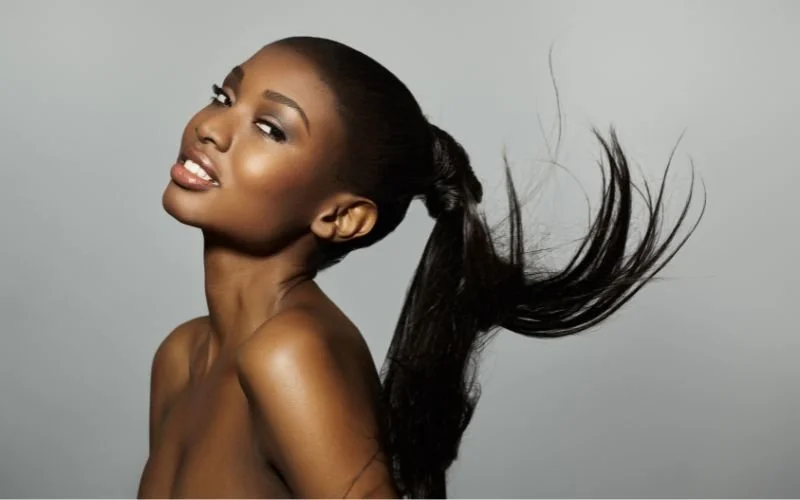
Have you ever pulled your hair into a high ponytail and noticed how your cheeks lift, your jawline sharpens, and your eyes look a little brighter? Many of my patients tell me they love that look and often wonder, “Is there a way to keep this without actually wearing a ponytail every day?”
That simple question is what led many people to the ponytail facelift. It’s a modern approach I perform here at the Yates Institute of Plastic Surgery in Fort Lauderdale, designed to bring back the natural, upward support your face once had, without the longer scars or the overly tight appearance associated with older facelift techniques.
A ponytail facelift is designed for people who want to look refreshed without looking different. Instead of tightening the skin, it works beneath the surface to restore the gentle lift your face naturally had years ago.
The result blends in so well that most people simply look well-rested rather than “operated on.” For the right candidate, it’s often the kind of change that feels subtle in the mirror but meaningful in daily life.
If you’re exploring options like this, our team at the Yates Institute of Plastic Surgery in Fort Lauderdale can help you understand whether this technique matches your goals.
The Appeal of the “Ponytail” Look
People describe the ponytail effect in their own way: more awake, fresher, lighter, but the idea is always the same. When the soft tissues of the face are gently lifted, even by your own hair tie, the overall expression changes.
Cheeks sit a little higher. The outer brow angles upward. The jawline looks crisper, and the curve from the lower eyelid into the cheek becomes smoother.
This is the inspiration behind the ponytail facelift. Instead of pulling the skin tight, this method works deeper, where facial support naturally sits. The goal is not to change how you look, but to restore the gentle upward orientation that gradually softens with age.
Patients often want to look like themselves on their best day, not unfamiliar or dramatically altered, and this procedure was designed for exactly that.
What a Ponytail Facelift Actually Is
A ponytail facelift is a modern surgical technique that lifts the deeper layers of the face through small, hidden incisions. It uses an endoscopic deep-plane approach, where a tiny camera provides a clear view beneath the surface.
Instead of peeling the skin back, the deeper layers that give the face its structure, muscle, fascia, and connective tissue, are gently repositioned to create a natural-looking lift.
Because the incisions sit in discreet places, such as the temple, the natural crease behind the ear, and the posterior scalp, they blend with hair-bearing areas. Many people feel relieved knowing that this approach avoids the long scars that wrap around the ear in classic facelift surgery.
Another difference is the amount of skin undermining. Traditional techniques usually involve lifting the skin widely before tightening deeper tissues. The ponytail facelift limits this step, which lowers the risk of complications like necrosis and reduces swelling and bruising.
Patients appreciate the softer, more natural result created by moving the underlying structure instead of stretching the skin.
How the Technique Works
Even though the procedure involves advanced methods, the overall concept is easy to understand. Small openings in the temple and scalp allow a slim endoscopic camera to slide underneath the skin.
This camera provides a magnified, detailed view of the facial layers, allowing the deeper attachments to be released with precision.
Once these areas are freed, the deeper tissues are gently repositioned upward. This motion recreates the youthful orientation of the midface, outer brow, and upper cheek. By placing the lift exactly where it naturally existed years earlier, the face gains a refreshed contour without the tight, windswept appearance people worry about.
The skin is then redraped and secured without tension. This is one reason the results look smooth and relaxed. The surgery focuses on the foundation rather than relying on skin pulling to create shape.
Patients also like knowing that the incisions sit within hair-bearing areas. With proper healing, they blend well, giving the impression that there has been no obvious surgery, just a gradual return to a more energized look.
What Makes It Different From a Traditional Facelift
For decades, facelifts followed a predictable pattern. Surgeons made long incisions, lifted the skin widely, tightened deeper layers, and trimmed excess skin. The method works well for people with significant sagging, but it often comes with longer downtime and a higher chance of visible scarring.
The ponytail facelift takes a different path. The focus shifts from removing skin to restoring deeper support. The incisions are shorter. The skin remains barely lifted. The endoscope provides visibility without opening large areas. As a result, less tissue trauma occurs.
Many patients say this approach feels more aligned with what they want. They are looking for early changes (soft jowls, lower cheek descent, heaviness around the outer brow) not the full range of aging that a traditional facelift is designed to correct.
Since the ponytail facelift targets mild to moderate sagging, the outcomes often look youthful but subtle.
Here’s a comparison table to help you see the differences between a ponytail facelift and a traditional facelift:
| Feature | Ponytail Facelift | Traditional Facelift |
|---|---|---|
| Incisions | Small, hidden in the temple, behind the ear, and posterior scalp | Longer incisions that often extend around the ear and into the hairline |
| Tissue Handling | Deep-plane repositioning with minimal skin undermining | Wider skin lifting before tightening deeper structures |
| Technology Used | Endoscopic camera for internal visibility | Direct visual access through larger openings |
| Ideal Candidate | Early to moderate sagging, good elasticity | Moderate to advanced laxity, heavier jowls or neck aging |
| Recovery Experience | Typically faster with less swelling | Longer downtime because of broader dissection |
| Scar Visibility | Concealed in hair-bearing areas | More visible if hair is short or pulled back |
| Overall Look | Subtle, natural, "refreshed" effect | More dramatic correction for pronounced aging |
Another important difference is the reduced risk of nerve irritation. By working within the deep-plane anatomy and using a camera for guidance, the tissues can be repositioned while protecting the delicate branches of the facial nerve.
This careful, precise approach is a key reason the technique continues to grow in popularity.
Best Candidates for the Ponytail Facelift
Not everyone needs a full facelift, and not everyone is ready for one. A ponytail facelift is often a match for people who notice early signs of sagging but still have decent skin elasticity.
This group may include individuals in their 30s, 40s, or early 50s, though age is not the deciding factor. Facial structure and tissue quality matter far more.
People who benefit most usually describe:
A softening of the outer brow or temple area.
A flattening through the upper and mid cheek.
Mild jowling that creates a shadow along the jawline.
A desire for a natural lift without longer scars.
Interest in a quicker recovery compared with a classic facelift.
It also appeals to people who want to maintain facial animation. Since the deep-plane repositioning allows tissues to move naturally, the final result looks smooth when the face is at rest and when it is expressive.
What Recovery Is Like
Recovery after a ponytail facelift tends to be more manageable than older facelift approaches, mostly because there is less skin undermining and less trauma beneath the surface. Still, it is surgery, and the body needs time to heal.
The first few days generally involve swelling, a feeling of tightness in the lifted areas, and some discomfort around the incision sites. Most people prefer to rest, keep their head elevated, and avoid bending or lifting.
By the end of the first week, many feel comfortable moving around more freely and returning to light daily tasks. Bruising usually settles quickly, especially since the deeper tissues were lifted with care instead of being pulled aggressively.
Over the next couple of weeks, residual swelling softens, and the contours begin to look more refined. Full healing takes longer, of course, but most patients feel socially presentable far earlier than they expect.
It’s common to see continued improvement as the tissues settle into their new position. The final look becomes clearer over a period of about three months.
Considering a Ponytail Facelift?
If you’re looking for a refreshed, lifted look that still feels like you, the ponytail facelift may be the right fit. It’s a thoughtful approach for people who want meaningful improvement while keeping their features natural and expressive.
Every face ages in its own way, and choosing the right technique starts with understanding your anatomy, your goals, and what feels comfortable for your lifestyle. If you’re curious whether this method could work for you, I’d be happy to guide you through your options.
You can schedule a consultation at the Yates Institute of Plastic Surgery in Fort Lauderdale, where we’ll talk through your concerns and create a plan tailored just for you.
FAQs about the Ponytail Facelift
How long do the results last?
A ponytail facelift works at the deeper structural level, so the improvement is long-lasting. It doesn’t stop the aging process, but the repositioned tissues maintain their support for many years. People continue to age from that new baseline, much like they would after any deep-plane lift.
What areas of the face does a ponytail facelift improve?
This technique helps lift the midface, upper cheek, outer brow, and the early jowl area. The transitions between the lower eyelid and cheek also become smoother, which contributes to a rested look.
Can this replace a traditional facelift?
It depends on the degree of sagging. For mild to moderate descent, yes, it can provide the improvement a patient is looking for. But for more advanced laxity, especially along the neck or lower face, a full facelift may still be the better option.
What happens during the consultation?
I will review your facial anatomy, skin quality, medical history, and goals. Then, I will explain what the technique can achieve, where the incisions would sit, and how the recovery typically progresses. This is also a chance to discuss expectations and determine whether the ponytail facelift truly matches your needs.
How is it different from non-surgical lift treatments?
Fillers, threads, and energy-based tightening can help early changes, but they cannot reposition the deeper facial layers the way a surgical lift can. Non-surgical treatments are helpful for maintenance but do not match the structural improvement provided by this procedure.
What are the risks or limitations?
All surgery carries risk, including swelling, bruising, or temporary numbness. More uncommon risks include bleeding, infection, or nerve irritation. The ponytail facelift has a reduced risk profile compared to larger-incision facelifts because it limits skin undermining and uses precise endoscopic visualization.
Read more blogs:
Facelift vs. Fillers for Executive Women: What’s Worth Your Time?
The Best Facial Rejuvenation Procedures for Professional Women in Their 40s and 50s
Medical references