Ozempic Breasts
What Professional Women Should Know About Breast Changes After GLP-1 Weight Loss
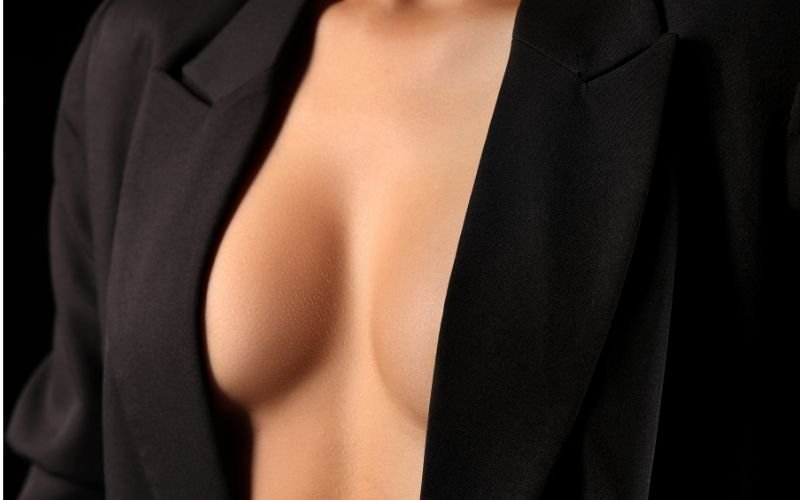
You step into a tailored blazer you have worn for years. The scale says you have succeeded. Your waistline agrees. But something feels off. The fit across your chest is different, flatter, less structured than before. You adjust the fabric, assuming it is the cut, then realize it is not the jacket at all.
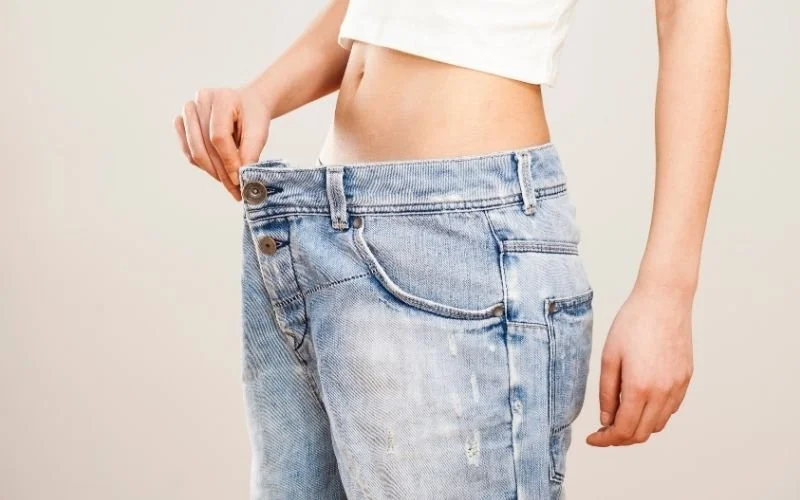
Medications like Ozempic and other GLP-1 treatments have allowed many professional and executive women to lose weight efficiently, often with a sense of control that fits demanding schedules and high expectations. The physical changes can be dramatic and rewarding. Yet for many women, breast shape is the one area where the results feel unexpected and, at times, unsettling.
What has come to be called “Ozempic breasts” is not a trend or a cosmetic exaggeration. It is a predictable response to rapid fat loss in a part of the body closely tied to proportion, posture, and how clothing fits in daily professional life. Identifying the change sooner gives you more control over how you move forward.
If you are noticing these changes, schedule your consultation now at the Yates Institute of Plastic Surgery in Fort Lauderdale to get clear, personalized guidance and a plan that fits your body and your life.
What Are Ozempic Breasts?
“Ozempic breasts” refers to a set of breast changes that can occur during rapid weight loss associated with GLP-1 medications. Women most often describe:
Loss of breast volume, with a flatter or deflated appearance
Reduced fullness in the upper portion of the breast
Breasts that sit lower on the chest than before
Skin that feels looser or less supported
These changes tend to happen quickly for several reasons:
The breasts contain a high proportion of fatty tissue, which is often lost early during weight reduction
With slower weight loss, the skin and internal support structures may have time to adjust, but GLP-1 medications can produce steady, rapid fat loss that outpaces this adaptation
Breast skin is thinner and more delicate than skin in many other areas, making it more vulnerable to stretching and laxity
Factors such as age, hormonal history, pregnancy, and genetics further affect how well the skin and ligaments recover
Fat loss also occurs unevenly across the body. Many women notice changes in the face and breasts before seeing significant shifts elsewhere. This uneven distribution can make breast changes feel abrupt, even when overall weight loss is still in progress.
Will Breast Shape Recover after Weight Stabilizes?
This is one of the most common questions I hear in consultation. The answer depends on several factors, including age, skin quality, how much weight was lost, and how quickly the loss occurred.
In cases of mild volume reduction, some improvement can happen once weight stabilizes. The skin may retract modestly over several months, and breast shape can look slightly better than it did at the lowest point of weight loss. That said, meaningful lifting or restoration of fullness does not typically occur on its own once the underlying fat has been lost.
For women in their forties, fifties, and beyond, natural skin elasticity is already reduced compared to earlier decades. If pregnancy, breastfeeding, or prior weight fluctuations are part of your history, the likelihood of spontaneous recovery is lower. Stabilizing your weight is still important, but it should be seen as a step toward clarity rather than a solution in itself.
The most reliable indicator is time. If your weight has been stable for three to six months and breast shape has not improved, further changes are unlikely without intervention. This period of observation also helps ensure that any treatment decisions are based on a steady baseline rather than an evolving body.
Can Ozempic Breasts Be Prevented?
Complete prevention is not realistic, but there are ways to reduce how pronounced breast changes may be during GLP-1–related weight loss. The goal is not to stop progress, but to support the tissues as the body adapts.
A more gradual pace of weight loss, when medically appropriate, is generally easier on the skin and internal support structures. GLP-1 medications are designed to work efficiently, but under proper medical supervision, adjustments may help avoid unnecessary strain on areas like the breasts. This approach focuses on tissue adaptation, not delaying results.
Several practical steps may help limit the extent of change:
Maintaining consistent breast support with a properly fitted bra throughout the weight-loss process
Using higher-support bras during exercise and long workdays to reduce ligament strain
Paying attention to posture, especially during extended periods of sitting or travel
Nutrition also plays a role in how well tissues respond. Adequate protein intake supports structural integrity, while balanced nutrition contributes to overall skin quality. What these measures cannot do is restore volume once it has been lost. Topical creams and supplements may improve skin texture slightly, but they do not tighten stretched ligaments or rebuild breast fullness.
Even with careful planning, some degree of breast change is a normal and expected outcome of significant weight loss, particularly when it occurs efficiently. Understanding these limits helps set realistic expectations and reduces frustration during the process.
Solutions for Ozempic Breasts
The appropriate approach depends on how much change has occurred, how you feel in your clothing, and what level of correction aligns with your lifestyle and expectations.
Wardrobe and Support-Based Adjustments
For women with mild volume loss and minimal drooping, simple adjustments may be enough. A professionally fitted bra can restore structure and improve how clothing sits across the chest.
Thoughtful wardrobe choices, particularly in structured workwear, often help reestablish balance without any medical treatment. This option works best when breast position remains relatively high and shape changes are subtle.
Non-Surgical Treatments
Non-surgical options are frequently considered, but expectations should remain realistic. Skin-tightening technologies and injectable treatments may slightly improve skin quality or firmness, but they do not lift the breast or replace lost volume.
These treatments cannot recreate internal support or address more noticeable sagging. For many women, they serve as an adjunct rather than a solution.
Surgical Correction
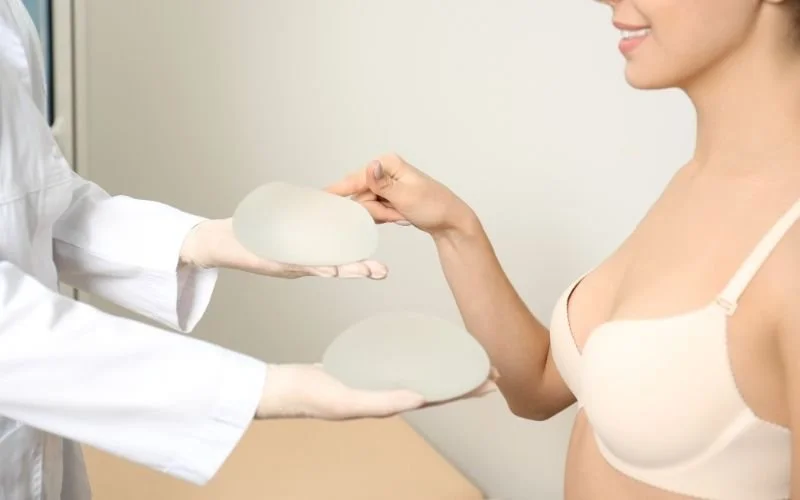
Surgical treatment offers the most reliable and long-lasting improvement. A breast lift repositions the breast tissue and nipple to a higher position, improving shape and contour without increasing size.
For women who feel their breasts appear smaller after weight loss, breast augmentation restores volume and upper fullness. When both lifting and volume restoration are needed, a combined lift and augmentation may provide the most balanced result.
The objective is refinement, not excess. Most professional women prefer outcomes that look natural, proportionate, and appropriate for their frame and lifestyle. Surgical planning should reflect how you dress, how you move, and how you want to feel long term, not current trends or outside expectations.
Timing is an important part of this decision. Surgery should be considered only once weight has stabilized, ensuring that results are consistent with your new baseline and remain durable over time.
Final Thoughts
Ozempic and similar medications have given many women a renewed sense of control over their health. Breast changes after weight loss can feel frustrating, especially when the overall journey has been positive. These changes do not represent failure or an unintended consequence to ignore. They are a physical response to a real transformation.
Addressing Ozempic breasts is about restoring harmony. It is about feeling comfortable in your clothes, aligned with your professional presence, and at ease in your body. Whether you choose observation, non-surgical support, or surgical correction, the most important step is understanding your options and making decisions based on clarity rather than urgency.
If you are noticing these changes and want thoughtful, individualized guidance, you are welcome to schedule a consultation at the Yates Institute of Plastic Surgery. A consultation provides the opportunity to evaluate your anatomy, discuss realistic options, and create a plan that fits both your goals and your lifestyle.
FAQs about Ozempic Breasts
How long should I wait after stopping Ozempic before considering breast surgery?
You do not need to be completely off Ozempic to begin a conversation, but surgery should be planned only after your weight has stabilized. In most cases, this means maintaining a consistent weight for several months. Stability allows for accurate assessment and helps ensure results remain consistent over time.
Will future weight changes affect surgical results?
Significant weight loss or gain after breast surgery can alter the outcome. While procedures are designed to be long-lasting, maintaining a relatively stable weight helps preserve shape and symmetry. This is an important part of long-term planning, especially for women who expect lifestyle or medication changes.
Can breast surgery be kept discreet with a demanding professional schedule?
Yes. Surgical planning can be tailored to minimize downtime and maintain privacy. Incision placement, recovery timelines, and return-to-work planning are discussed in advance, allowing most professional women to resume daily responsibilities without drawing attention to the procedure.
Read more blogs:
References: